Postbiotics are preparations of inanimate microorganisms that confer a health benefit on the host. They are a developing area of science, and this page separates what is established from what still needs study.
Unlike probiotics, postbiotics do not depend on living cells. Their effects are studied through the compounds and cellular components that remain after processing.
Biological components
Structures and metabolites under study
Research focuses on three broad families of components, each examined for its role in barrier integrity and immune modulation.
Cell wall fragments
Structural remnants of inactivated microbes, including peptidoglycan and surface proteins, examined for their interaction with host cells.
Short-chain fatty acids
Metabolites such as butyrate and propionate, produced during fermentation and studied for their role in epithelial function.
Functional metabolites
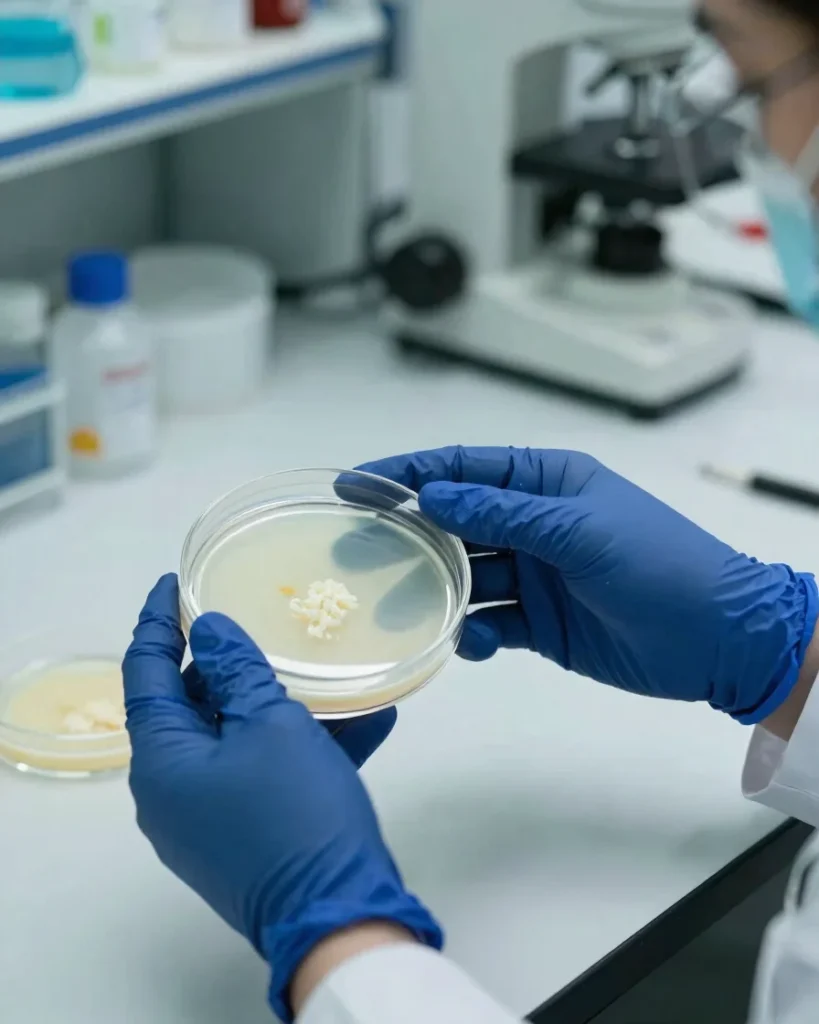
Bioactive molecules released by inactivated cultures, characterised in controlled assays before any functional claim is considered.
Evidence standards
How claims are assessed
Scientific scrutiny is central to how the Centre communicates. Statements about postbiotics are tied to the strength of the underlying evidence, and findings from early or limited studies are described as preliminary rather than established.
Claims of cure, prevention or proven health outcomes are not made. Where a benefit has been observed only in laboratory or animal models, that context is stated plainly, so readers can judge the work on its merits.
This approach keeps the field honest, helps practitioners and students weigh evidence, and separates considered science from commercial overstatement.